
Can you paint EIFS? Why we trowel a new finish instead
It is one of the questions on our own home page, and we hear it most springs: the colour is dated, can I just paint it? You can. We would not, and this is why.
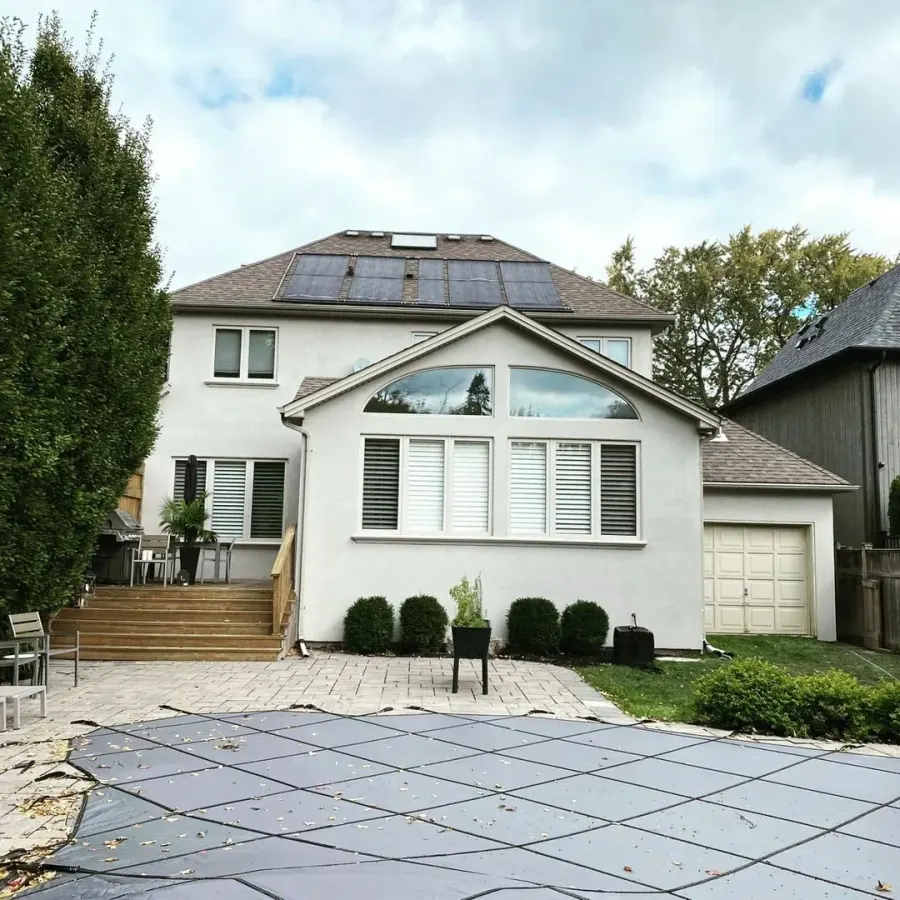
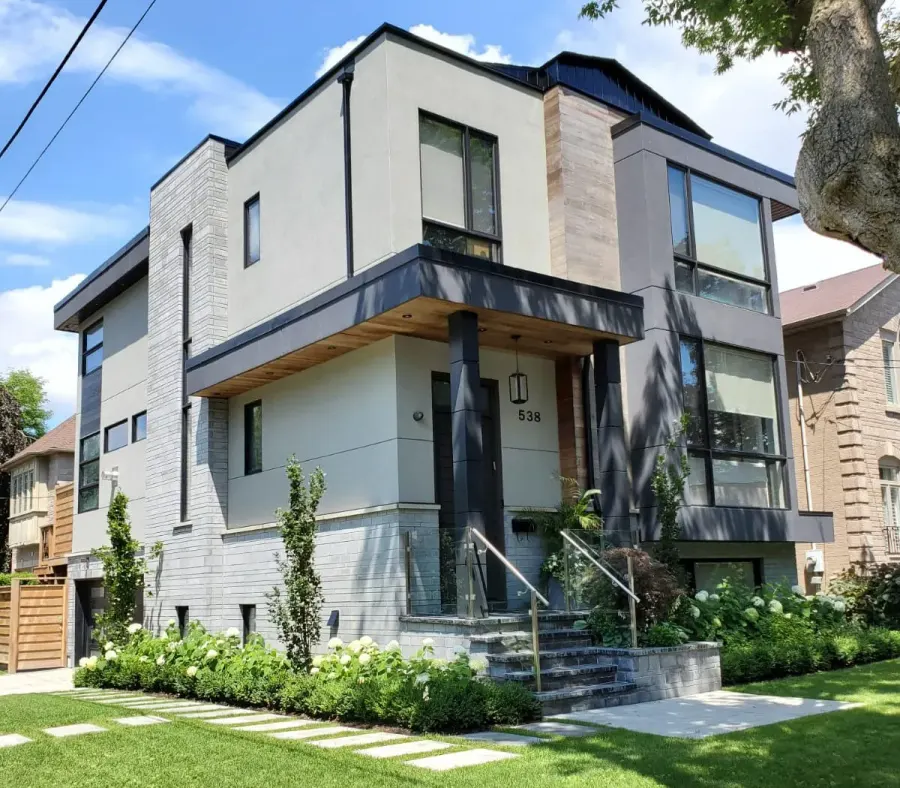
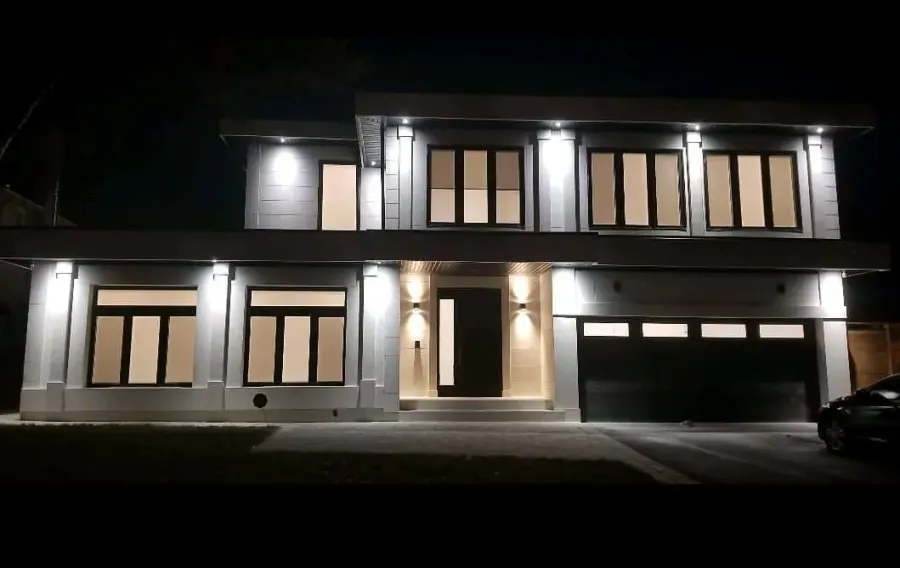
What the finish coat is
The surface of an EIFS wall is not paint over stucco. It is an acrylic finish coat: a thick, textured, coloured coating trowelled on as the last layer of the system. The colour is mixed through the whole coat, the aggregate in it gives the texture, and it is formulated to stay flexible, breathe a little, and bond to the base coat beneath it for decades.
Paint from a local supplier is made for a different job. It is a thin film meant to sit on wood, drywall or primed masonry. It is not designed for the movement, the texture or the moisture behaviour of an acrylic finish.
What happens when EIFS is painted
- It peels. The film does not bond to the textured acrylic the way the finish bonds to the base coat. Within a few freeze-thaw seasons it lifts in sheets, usually on the sunny side first.
- It traps moisture. A paint film changes how the wall breathes. Moisture that would have moved out through the finish is held behind the paint, and blisters follow.
- It flattens the texture. Two coats of paint fill the grain and leave the wall looking plastic.
- It ruins the next job. A new finish coat will not bond to paint. Before the wall can be refinished properly, the paint has to be stripped or ground off, or the wall primed with a bonding primer, which costs more than the recoat would have.
- It voids things. Manufacturers' finish warranties do not cover painted systems.
We see painted EIFS on many of the houses we visit, and the conversation is always the same: the paint looked fine for two years, then started to let go, and now the owner wants it fixed. Fixing it costs more than a recoat would have at the start.
The right way to change the colour
Trowel on a new finish coat. A recoat is a thin new layer of the same acrylic finish, in the new colour and, if you want, a new texture, applied over the existing finish by the same method as the original. It bonds to the system, keeps the surface crisp, carries the colour through the coat, and lasts as long as the first finish did.
What a recoat includes
- Inspection and repair of any cracks, blisters or loose areas. A new coat does not hide a wet wall.
- Resealing the joints at windows, doors and transitions, because old sealant under a new finish is a leak waiting to happen.
- Washing the wall to remove dirt, chalk and algae so the new coat bonds.
- A tinted primer where the colour change or the substrate calls for it.
- The new finish coat across the whole elevation, cut cleanly at corners and trim.
On a house it usually takes a week or less. The result is not a painted house. It is a new stucco house in the colour you chose.
When a recoat is not enough
A recoat keeps the texture underneath, so it will not turn a heavy pebble finish into a smooth modern one; that takes resurfacing, which adds a new base coat with mesh and levels the wall first. And if the wall has cracks everywhere or blisters, a recoat shows them again within a year. Resurfacing with mesh is the fix. We tell you which your wall needs at the free visit, and the quote matches it.
Choosing the new colour
Look at samples on the wall, in daylight, in sun and shade. Dark colours on sun-facing walls run hotter and show dust more; they can be done, and we tell you what to expect. Two colours, a body and a trim, is almost always enough. Our colours and finishes page goes through the choices.
Already painted?
It can be put right. Depending on how well the paint is holding, the wall is either stripped and primed or, where the paint is sound, prepared with a bonding primer, and then recoated. Send us a photo and we will tell you which case you have.
Three steps to a written quote
Send a photo or call
Use the form or call (416) 676-6908. A photo of the wall helps us come prepared.
Free site visit
We measure, check what is under the finish and talk through the options.
One price in writing
A written quote for the work agreed, then a start date that holds.
Quick answers
Is there any paint made for EIFS?
Some manufacturers make elastomeric coatings for their own systems, applied by trade applicators. They are not the paint at the hardware store, and on most walls a new finish coat is the better and longer-lasting choice.
How much longer does a recoat last than paint?
A recoat lasts as long as an original finish, which is decades. Paint on EIFS typically starts to fail within a few years.
Can I change the texture with a recoat?
A recoat keeps the texture underneath. To change it, the wall is resurfaced with a new base coat first.
Is the work insured and warrantied?
Yes. Stucco & Co carries $5 million liability insurance and WSIB coverage, and every job comes with a one-year warranty on our work.
Tell us about your walls
A free site visit anywhere in the GTA, then a written quote.